What should an emergency alert include for a lone worker?
An emergency alert should include who is in trouble, where they are, what happened, how serious it seems, and what kind of help is needed. For a lone worker, the most useful alert is short, clear and tied to a response plan, so a nominated contact or control room can act without guessing.
That direct answer sounds simple, but the value sits in the details. A person working alone may be stressed, injured, moving between sites, or unable to speak. The alert needs to carry enough information to make the first few minutes count, without asking the worker to type a long message under pressure.
Start with the person and the location
The first question for any responder is usually "who and where?". An alert should identify the worker, either through an assigned device, an app profile or a logged user. A name alone is not always enough if several people share a site, so role, team or employer details can also help. If the alert reaches a nominated contact, that person needs to know who triggered it and where that person was expected to be.
Location is just as important, but it needs context. GPS location can narrow down where the worker is, especially across a large site, rural property or unfamiliar address. A coordinate by itself may not tell a responder which gate to use, which building to enter or which area is restricted. Useful location details include the site name, street address, building, level, room, zone, nearby landmark, or the last known route if the person was travelling.
There is also a difference between current location and last reliable location. A GPS safety alarm may send a position at the time of activation, while a fall or loss of signal may mean the last fixed point is the best available clue. Good alerts make that clear. A response plan should explain how to interpret a stale location, especially if the worker was in a vehicle, underground, inside a concrete building or moving near dense trees where satellite signals can weaken.
Say what triggered the alert
An alert is easier to act on when it states the trigger. The main types are a manual SOS button, a man down alert, fall detection, a missed check-in, or an alert raised from a monitoring platform. Each suggests a different situation. A manual alert may mean the worker can still think and communicate. A fall alert may mean they cannot reach a phone or speak. A missed check-in can be more ambiguous, so it should include when the check-in was due and how long ago it was missed.

Where devices support two way voice, the alert should indicate whether a voice channel is available, has been answered, or failed to connect. That helps the responder choose between calling the worker, opening a voice line, contacting a nearby colleague or escalating to emergency services. Voice can reveal breathing, pain, confusion, background noise and immediate danger, but only if the worker is able and willing to speak.
Trigger type also helps avoid overreacting or underreacting. Fall detection can be triggered by a hard movement or a sudden change in position that is not a true fall. A worker who presses an SOS button during a near miss may need support rather than an ambulance. The alert should not force the responder to decide alone. It should give enough detail for a quick assessment, then allow the response plan to guide the next step.
Include the nature of the emergency
The alert should describe, in plain language, what may have happened. Useful examples include injury, collapse, threat to personal safety, fire, chemical exposure, machinery concern, medical symptoms, severe weather, or being trapped. The description does not need to be detailed. It needs to tell the responder what kind of risk is likely and whether the scene may be unsafe for others.
Any hazard information should be careful and practical. If there is a possible gas smell, the alert should say so clearly, because that changes what a responder should do. The worker should not be asked to investigate, use switches or remain in the area. The response plan should direct them to turn off the supply only if that is safe, open windows, avoid flames and switches, leave, and call the gas supplier or a qualified gas technician. The article cannot fix the hazard from a distance, and no alert should encourage someone to handle a fault beyond their training.
Similarly, if an alert mentions live electrics, water, heights, a pressurised system or a vehicle hazard, the response should focus on keeping people clear and bringing in a qualified professional. Emergency alerts are for getting help and sharing facts, not for talking someone through a repair that could cause harm.
Add severity and urgency
Not every alert means the same level of urgency. A worker who feels unsafe and wants an escort may need a fast welfare check. A worker who is unresponsive after a fall needs immediate escalation. Including severity helps the recipient decide how quickly to act and whether to contact emergency services.
Severity can be expressed through preset options rather than free text. Examples include "need assistance", "possible injury", "urgent medical help", "threat present" or "unable to move". Presets reduce typing and make messages consistent. They also help when English is not the worker's first language or when stress makes careful writing difficult.
Urgency should be linked to what the responder is expected to do. A message marked urgent but with no instruction can lead to delay. A message that says "call worker now, then escalate if no answer" is more useful. The response plan should define those actions before an incident happens, so the alert does not become the place where procedures are invented in real time.
Make contact routes clear
An alert should include the best way to reach the worker and the best way to reach the responder. That may mean a device number, a phone number, a monitored account, a nominated contact, or a control room channel. If two way voice is available, the alert should show whether the device is calling in, waiting to be called, or unable to connect.
Contact details should be current. A worker changing role, phone number, site or shift can create gaps in a response plan. Regular checks help confirm that alerts go to the right person, especially after staff changes or rostering changes. In New Zealand workplaces where people may work across regions or remote sites, those checks also help keep location records and contact routes aligned with the work being done.
Backup contacts matter too. If the first person is unavailable, the alert should still reach someone who can act. A response plan should name who takes over, what authority they have, and when emergency services are called. This is where lone worker alarms can be part of a wider safety system rather than a standalone button.
Keep the message usable under pressure
People often cannot compose a polished message during an emergency. The best alert formats rely on pre-set data and a few quick inputs. Identity, time, location, trigger type and device status can be attached automatically. The worker or system then adds the least amount of extra information needed: what happened, how bad it is, and whether the scene is safe.
Too many fields can slow activation. A long form may feel manageable during training and impossible during a real incident. Short prompts work better. For example, a device might ask the worker to choose from a few options, then open a voice line. If the worker cannot respond, the alert should still send what it already knows. Silence should not erase the event.
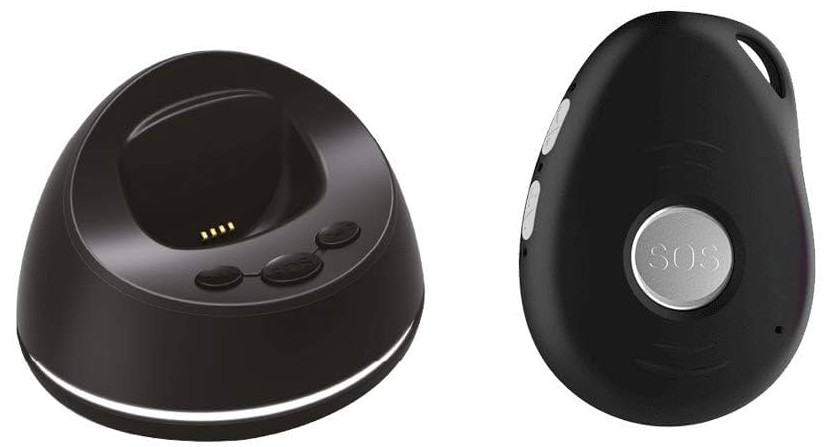
Longworkeralarms.co.nz sits in the context of wearable devices with SOS, GPS, two way voice, man down and fall detection alerts. That range shows why one alert format may not fit every moment. A manual SOS can carry more detail. A fall alert may need to rely on device data and rapid follow-up. A missed check-in may need a calm welfare call first. The message should match the trigger and the level of certainty.
Connect the alert to the response plan
Information only helps if someone knows what to do with it. Every alert should link to a response plan that covers who receives it, how quickly they respond, what they say, when they escalate, and what records are kept. A nominated contact should know whether to call the worker, attend in person, contact a supervisor, call emergency services, or do several of these in order.
The plan should also account for false alarms. If a fall alert is triggered during a physical task, the responder still needs to make contact and confirm welfare. If an SOS button is pressed by mistake, the worker needs a clear way to cancel or explain it. Treating every alert as real until checked is safer than assuming it is false, but the process should be calm and consistent.
Records complete the loop. Time of alert, trigger type, location supplied, actions taken, voice contact attempted, outcome and follow-up needs should be captured. This supports later review of the risk assessment and helps refine training. It also shows whether alert information was enough to make decisions quickly.
Check the alert before an incident happens
The quality of an emergency alert is easier to judge during a controlled test than during a crisis. A workplace can check whether the sent message includes identity, current or last known location, time, trigger type, contact route and a clear prompt for action. It can also check whether the nominated contact understands the response plan and whether backup arrangements work when the first contact is unavailable.
Testing should reflect real conditions without creating risk. That may mean checking coverage around buildings, vehicles, yards, remote tracks or areas where GPS location can be weaker. It may mean confirming that a voice channel connects clearly, or that a man down alert reaches the right person. If a test reveals uncertainty, the fix is usually in setup, training or procedure, not in asking the worker to improvise during an emergency.
A useful emergency alert answers the basics fast. It says who needs help, where they may be, what happened, how urgent it is, and how responders can reach them. When that information is tied to a clear response plan, the alert becomes more than a signal. It becomes the start of a practical, coordinated response.
Corrections
Spot something wrong? Send it to the desk and it gets fixed in the open.